
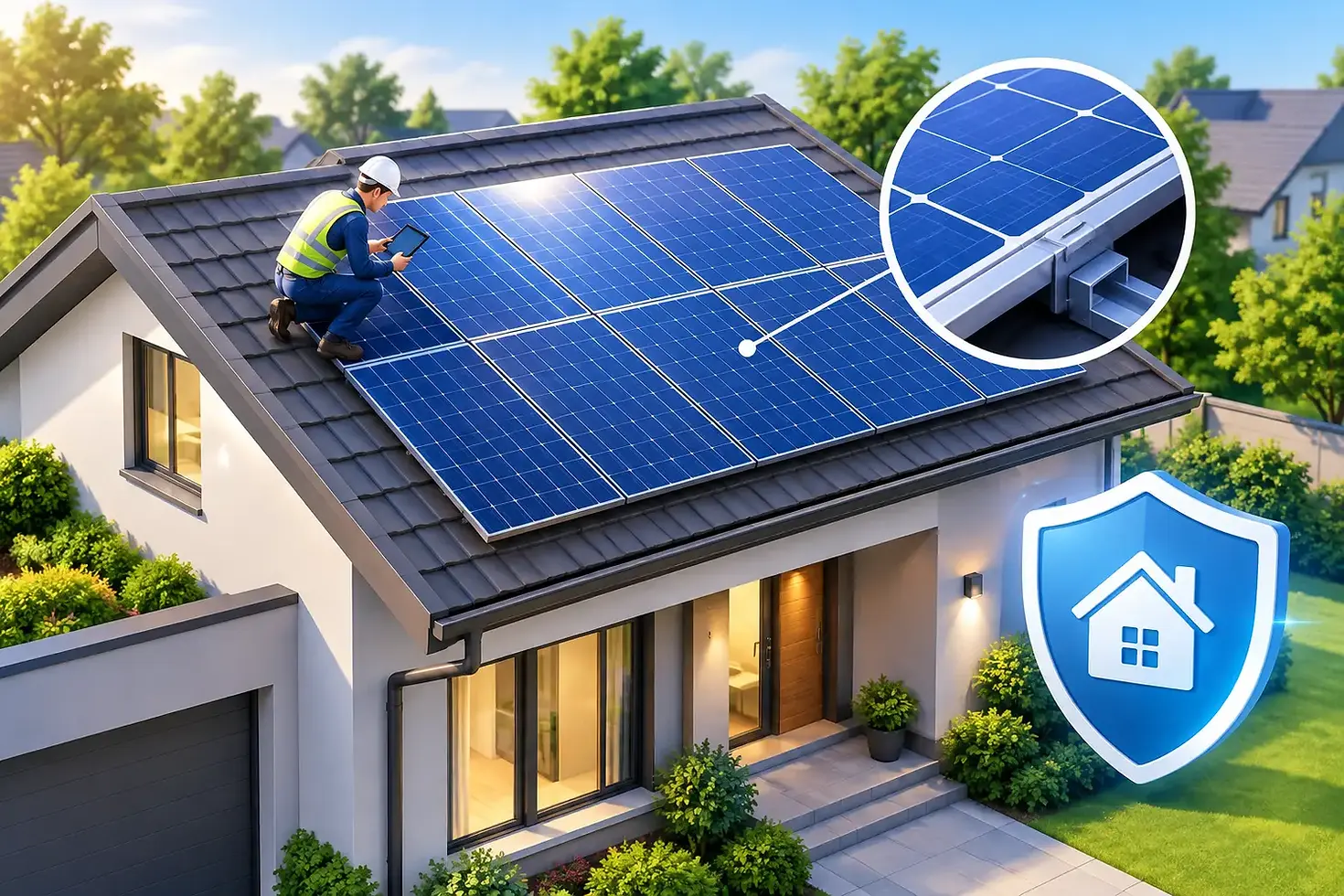
Solar Roof Inspection for a Protected Home

A water stain near the ceiling, a sudden dip in production, or shingles that look worn around your array can turn a small concern into an expensive repair. A professional solar roof inspection looks at the solar equipment and the roof beneath it, helping homeowners catch problems before water, weather, or loose components affect the home.
Your panels are designed to work outdoors for decades. That does not mean the roof penetrations, flashing, wiring, racking, and surrounding roofing materials should be left unchecked. Especially after heavy snow, wind, hail, pest activity, or a roof replacement quote, an inspection gives you a clear picture of what needs attention and what is still in good shape.
What a solar roof inspection should cover
A real inspection is more than looking up at the panels from the yard. The roof is a system, and the solar array has to work with it. The goal is to identify conditions that could affect safety, production, roof life, or warranty coverage.
A qualified solar technician starts with the visible condition of the panels. Cracked glass, damaged frames, loose clamps, shifting modules, and heavy debris can all affect performance. Dirt alone does not always create a major production loss, but bird droppings, dense pollen buildup, and debris that blocks drainage may call for cleaning or a closer look.
The inspection should also examine the mounting system. Racking rails, clamps, attachments, and roof penetrations need to remain secure and properly sealed. Flashing and sealant are especially important because they help direct water away from the points where the system attaches to the roof. A loose attachment is not just a solar issue. It can become a roof issue.
Electrical components matter just as much. Technicians should check accessible wiring, conduit, junction boxes, grounding, disconnects, and inverter or monitoring alerts. Chewed wires, loose conduit, weather-damaged connections, and error messages can reduce production or create a safety concern. Rodents and birds are common troublemakers around rooftop arrays, which is why critter proofing can be a smart follow-up when gaps beneath panels are attracting activity.
Finally, the roof itself needs attention. An inspection should look for lifted or broken shingles, deteriorating underlayment signs, soft areas, damaged flashing, drainage issues, and wear around the array perimeter. Solar does not automatically cause roof leaks. Poor installation, aging roofing, storm damage, or an overlooked repair can. The difference is that panels may make the source harder to see without the right experience.
When should homeowners schedule a solar roof inspection?
There is no single schedule that fits every home. A newer roof with a properly installed array may only need a periodic visual and performance check. An older roof, a system near trees, or a home exposed to severe weather may benefit from more frequent professional attention.
Schedule an inspection promptly if you notice any of these signs:
A ceiling stain, attic moisture, or a leak near the solar array
Production that has dropped without an obvious seasonal reason
Panel, racking, or conduit damage after wind, hail, or falling branches
Birds nesting under panels, animal noise, or visible chewing damage
A roof replacement, major repair, or home improvement project
A roof replacement deserves special attention. Roofing contractors are experts in roofing, but solar panels must be detached, stored, and reinstalled by a qualified solar team. Trying to roof around an array can leave aging materials beneath it and create future access problems. Removing and reinstalling the system correctly protects the new roof, the equipment, and the electrical connections.
For Utah and Idaho homeowners, winter adds another reason to stay ahead of inspections. Snow loads, freeze-thaw cycles, wind, and spring runoff can expose weaknesses in aging roofing or mounting details. You do not need to climb onto a snowy roof to investigate. If something looks or sounds wrong, schedule a professional assessment.
What happens during a solar roof inspection?
A good appointment begins with your concerns. If the system is underproducing, the technician may review monitoring data and ask when the issue started. If you are seeing a leak, they will want to know where it appears inside the home and whether it follows rain, snowmelt, or another pattern.
From there, the technician checks accessible roof and solar components, looking for physical damage, mounting concerns, pest entry points, and signs of water intrusion. They may also evaluate the inverter and electrical equipment for faults that do not show up from the roofline. The work should lead to practical answers, not vague recommendations.
Sometimes the inspection ends with reassurance: the system is secure, the roof is sound, and only routine cleaning or monitoring is needed. Other times, the right solution may be a minor repair, pest exclusion, panel cleaning, electrical diagnostics, or a planned removal and reinstall. The scope depends on what is found, the age of the roof, and whether the system has been serviced correctly in the past.
If active leaking is present, repairs should be handled quickly. Waiting to see whether a stain gets worse can allow moisture to damage insulation, sheathing, drywall, and framing. The same urgency applies to damaged electrical components or visibly loose panels.
Why roof and solar expertise need to work together
Homeowners often get stuck between contractors. A roofer may identify an issue beneath panels but not be equipped to remove them. A general handyman may offer a quick sealant fix without understanding the racking system or electrical requirements. That can create more risk than it solves.
The best approach is to treat the roof and array as connected investments. Solar attachments must be sealed correctly without compromising the roofing system. Panels must be reinstalled with proper alignment, secure hardware, and verified electrical connections. When work is coordinated correctly, you avoid shortcuts that can lead to leaks, performance problems, or repeat visits.
This is also where warranties matter. A warranty is only valuable when the company stands behind careful work and communicates clearly about what was repaired. For homeowners planning a roof replacement, ask how the solar removal and reinstall process protects the roof warranty and the solar equipment. Get the scope of work in writing, including who handles permits or utility coordination if those are required.
Simple steps between professional inspections
You can help protect your system without touching rooftop equipment. Check your solar monitoring app monthly and compare production to the same season last year, allowing for weather differences. Walk around the property after storms and look for broken branches, visible panel damage, sagging conduit, or debris buildup at the roof edge.
Keep trees trimmed back from the roof when possible. Shade can reduce production, while branches can scratch panels or damage equipment in high winds. If birds are gathering beneath the array, address it early. Nesting material and droppings can build up faster than most homeowners expect.
Avoid pressure washing panels, walking on the roof, or applying sealant around mounts yourself. Those fixes can damage panels, roofing, or manufacturer-required installation details. A careful inspection is far less costly than correcting a well-intended repair that created a new problem.
Your solar system should add confidence to your home, not uncertainty every time it rains or your production graph changes. When something does not look right, a clear inspection from experienced solar pros can turn a worry into a practical next step. NEX Solar helps homeowners protect the roof, the system, and the investment behind both with detail-focused service and a commitment to 100% customer satisfaction.


Comments